Aesthetic work planned by a periodontally-trained clinician, so the result holds up structurally, not just in the first photograph.
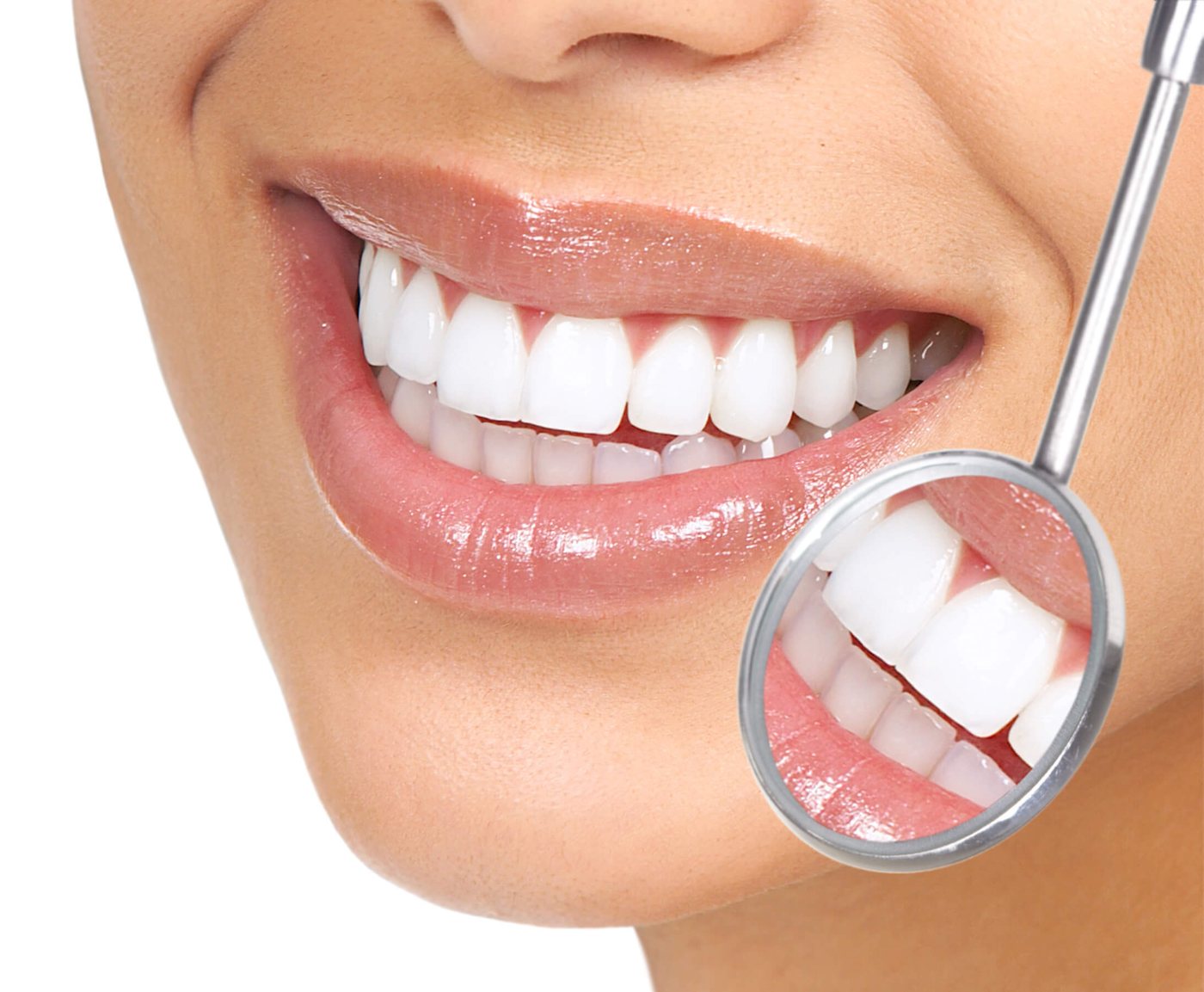
Smile Design
Small, deliberate changes — shape, shade, symmetry — usually make the biggest difference. Every cosmetic case starts with a clear picture of what's realistic for your own teeth and gums, not a generic before-and-after template.
Cosmetic treatment that ignores gum health and bite mechanics tends to age poorly. Dr. Meta's background in periodontology — he has taught in USAL/AOA's Department of Periodontology since 2008 and holds membership in the Argentine Society of Periodontology — means smile design decisions account for gum line, tissue health and long-term stability, not only shade and shape.
Thin, custom-fabricated shells that correct shape, spacing and color while preserving as much natural tooth structure as possible.
In-office and supervised take-home whitening, calibrated to a realistic, stable shade rather than an artificial one.
Digital mock-ups and proportion analysis before any irreversible preparation, so you can preview the result first.
Tooth-colored bonding and zirconia crown work matched precisely to adjacent teeth for cases that don't require full veneers.
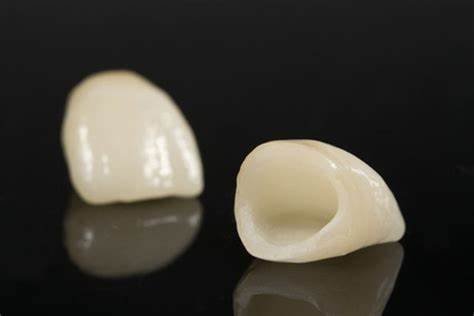
A clinical exam, a conversation about what you'd like to change, and — when relevant — a digital scan to plan and preview the result before committing to treatment.
Frequently Asked
Typically two to three visits: diagnostic planning and preparation, then fitting and bonding of the final veneers, with a digital or physical mock-up in between when the case calls for it.
Modern veneers require minimal, controlled preparation of the tooth surface. Whitening protocols are dosed and supervised to avoid excessive sensitivity. Every plan is designed to protect long-term periodontal and structural health, not just short-term appearance.