Implant dentistry planned by someone who has studied how bone actually behaves under load — not just where to place a fixture.
Dr. Meta's MS thesis at Ohio State University characterized how bone mineral density and mechanical loading shape the mandible — the same biology that determines whether an implant integrates successfully. That research, published across five peer-reviewed papers, underlies a conservative, evidence-based approach to case selection, bone grafting decisions and healing timelines.
His 2017 randomized controlled trial in Implant Dentistry compared analgesic protocols in patients receiving five dental implants — direct clinical research into the patient experience of implant surgery, not just its outcomes.
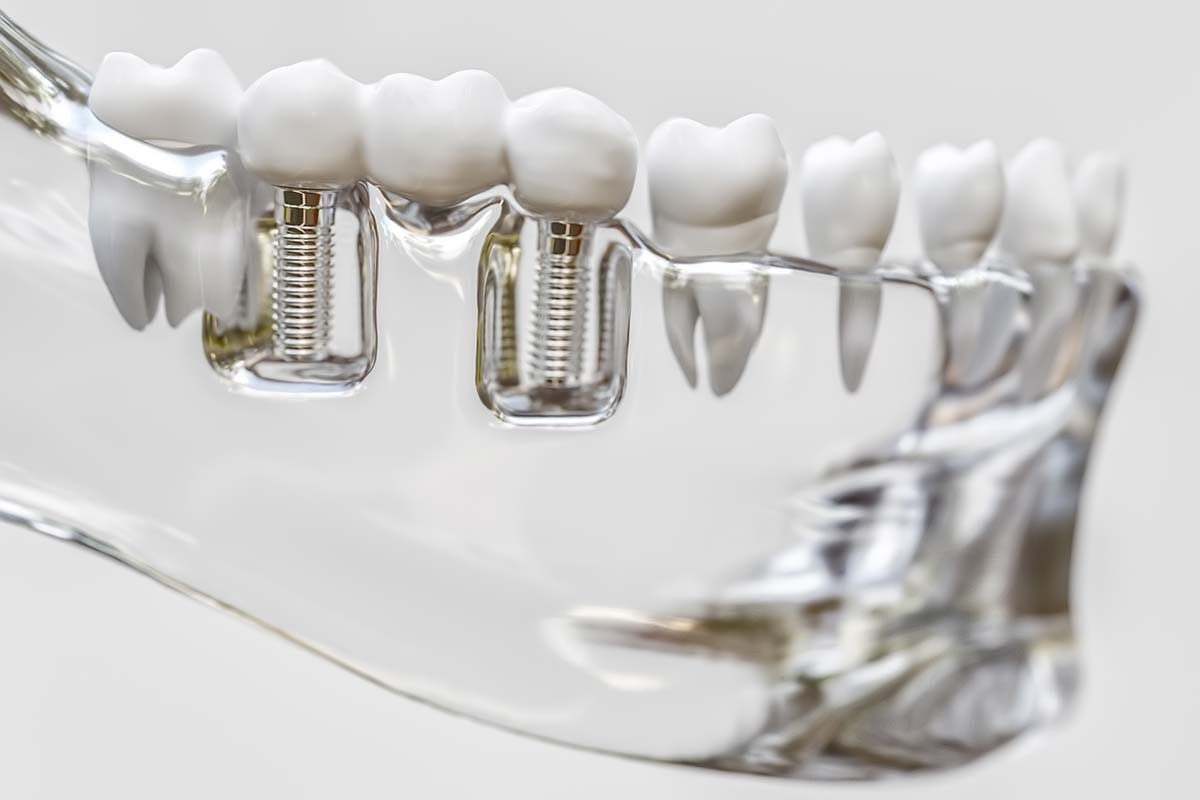
Patients missing one or more teeth who want a fixed, non-removable solution; patients with failing bridgework; and expatriate patients seeking a second opinion or continuation of implant treatment started abroad.
Direct coordination available with several major expatriate and international insurance providers. See the International Patients page for details.
Frequently Asked
It depends on bone quality and whether grafting is required. A straightforward single-implant case can move from placement to final restoration in roughly 3–6 months; cases requiring bone grafting or sinus lift take longer to allow proper healing before loading the implant.
Placement is done under local anesthesia. Dr. Meta's own published research compared analgesic protocols specifically to manage post-surgical discomfort after implant placement, and that evidence informs the pain-management plan given to every patient.
Yes. Consultations, imaging review and treatment planning are conducted in English for international patients as a standard part of the practice.